Trusted AC Repair in Little Rock, AR
Honest, dependable HVAC service for your home and business. From emergency AC repair to full system installation — we keep Little Rock comfortable year-round.
Call Today: (501) 599-7130
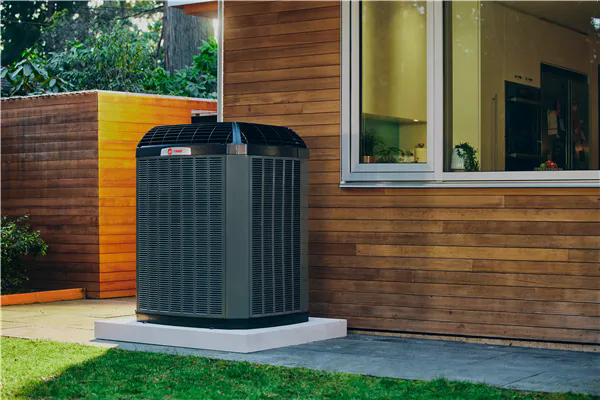
HVAC Services in Little Rock, AR
From routine maintenance to emergency repairs, our certified technicians handle every heating and cooling need.
AC Repair
Fast, reliable air conditioning repair for all makes and models. We diagnose the problem, explain your options, and fix it right the first time. Most repairs completed in a single visit.
AC Installation
Professional installation of high-efficiency air conditioning systems sized correctly for your home. We help you choose the right unit for your space and budget — no upselling.
Heating Repair
Don't wait in the cold. We repair furnaces, heat pumps, and all heating systems quickly. Our trucks carry common parts so most jobs are done the same day you call.
Furnace Installation
Energy-efficient furnace installation with proper sizing and ductwork evaluation. We install Carrier, Trane, Lennox, Rheem, Goodman, and more — whichever fits your needs best.
Preventive Maintenance
Our seasonal tune-up program keeps your HVAC system running efficiently and catches small problems early. Maintenance customers enjoy priority scheduling and extended equipment life.
Duct Cleaning & Sealing
Leaky or dirty ducts waste energy and reduce air quality. We clean, seal, and inspect your ductwork to improve airflow and lower your utility bills.
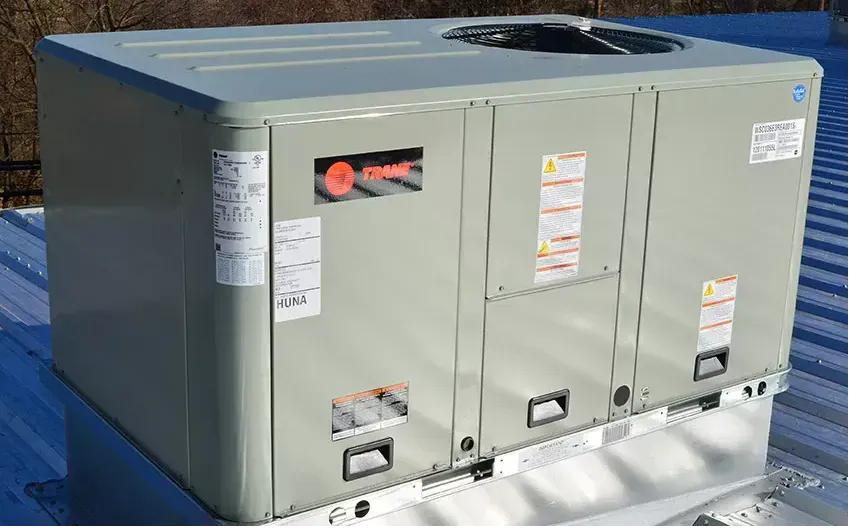
Commercial HVAC
Rooftop units, split systems, and packaged units for offices, retail, and restaurants. We service and install commercial equipment with minimal disruption to your business operations.
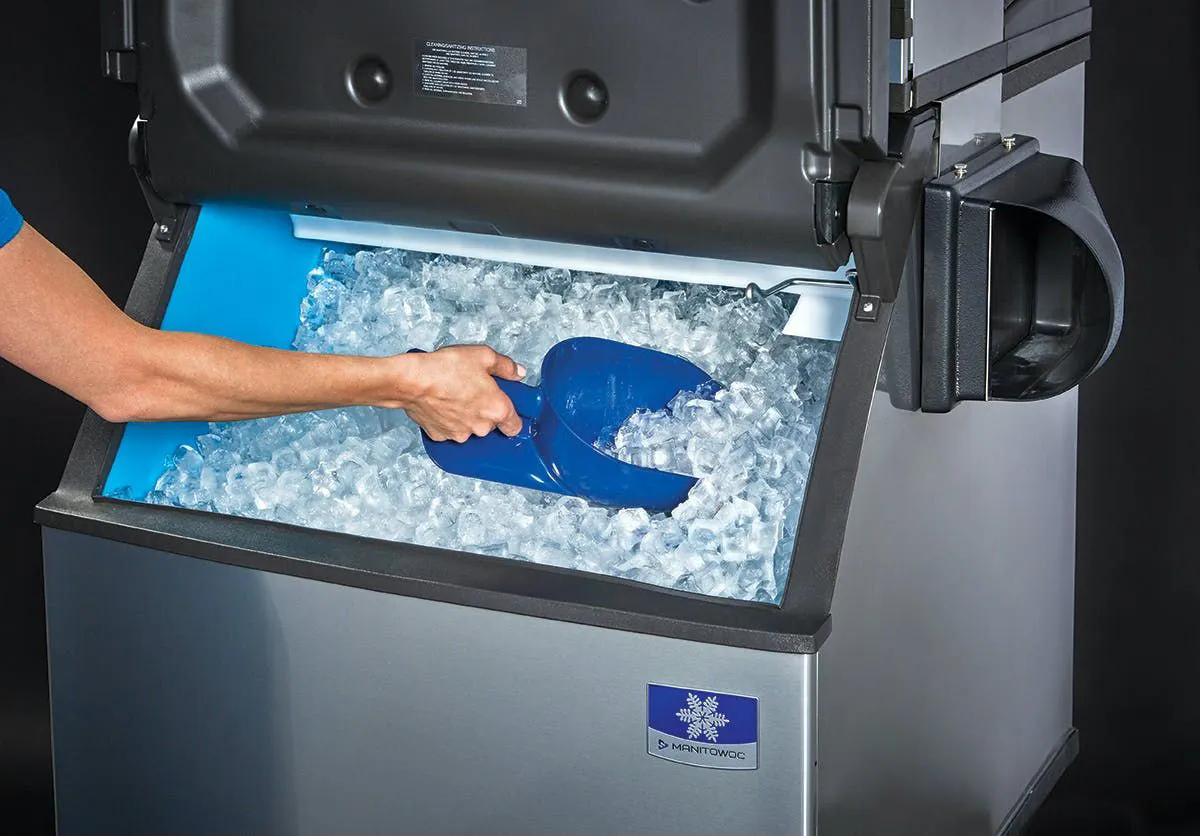
Ice Machine Service
Commercial ice machine installation, repair, and preventive maintenance. We work with Manitowoc, Scotsman, Hoshizaki, and all major brands to keep your restaurant or business running.
Indoor Air Quality
Air purifiers, UV germicidal lights, whole-home dehumidifiers, and filtration upgrades. Breathe cleaner, healthier air in your Little Rock home with our IAQ solutions.
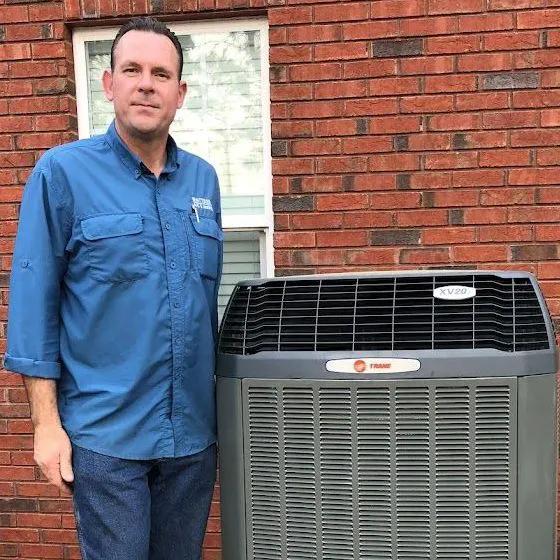
Locally Owned. Honest Work. Fair Prices.
Whittiker AC was founded on a simple idea: treat every customer the way you'd want to be treated. We're a family-owned HVAC company serving Little Rock and the surrounding communities with straightforward, quality work at fair prices.
Our owner has been in the HVAC trade for over 15 years, working everything from residential AC repairs to large commercial installations. Every technician on our team is licensed, background-checked, and trained to treat your home with respect.
Serving Little Rock & Surrounding Communities
Proudly providing HVAC services across central Arkansas. Based in Ward, we serve seven counties from Vilonia to Little Rock.
Common Questions About HVAC Service in Little Rock
Get answers to the questions homeowners ask most.
Helpful Guides for Little Rock Homeowners
Practical advice to help you make smart decisions about your heating and cooling.
How to Choose the Right AC Contractor in Little Rock
Finding a trustworthy AC contractor doesn't have to be a guessing game. Start by checking licensing and insurance in Arkansas.
Finding a trustworthy AC contractor doesn't have to be a guessing game. Start by checking that the company is licensed in Arkansas and carries proper insurance — both general liability and workers' compensation. Ask for their license number and verify it.
Look at reviews, but read them carefully. A handful of detailed, specific reviews matter more than hundreds of vague five-star ratings. Pay attention to how the company responds to negative reviews — that tells you a lot about how they handle problems.
Get at least two or three written estimates for any job over $500. A good contractor will come to your home, inspect the system, and give you a clear written quote — not a price over the phone. Be cautious of anyone who gives you a number without looking at your equipment first.
Ask about warranties on both parts and labor. Reputable companies stand behind their work. And trust your gut — if a technician seems more interested in selling you a new system than diagnosing the actual problem, that's a sign to get a second opinion.
5 Questions to Ask Before Hiring an HVAC Company
Asking the right questions before you hire can save you from headaches down the road. Here are the five essentials.
Before you hire anyone to work on your heating or cooling system, asking the right questions can save you from headaches down the road. Here are five questions every Little Rock homeowner should ask:
1. Are you licensed and insured in Arkansas? This is non-negotiable. An unlicensed contractor means you have no recourse if something goes wrong. Ask for proof and verify it independently.
2. Can you provide a written estimate? Verbal quotes aren't worth much when a dispute arises. A written estimate protects both sides and shows the contractor is organized and professional.
3. What does the warranty cover? Understand what's covered under manufacturer warranty versus labor warranty. Some companies offer 1-year labor warranties; better companies offer 2–5 years.
4. How long have you been in business? Experience matters in HVAC. A company that's been serving Little Rock for years has a reputation to protect and the know-how to back it up.
5. Do you offer maintenance plans? A contractor who offers ongoing maintenance is invested in long-term relationships, not just one-time sales. That's a good sign.
Why the Cheapest HVAC Quote Usually Costs More
Going with the lowest bid? In the HVAC industry, the cheapest quote often comes with hidden costs that add up fast.
It's tempting to go with the lowest bid, but in the HVAC industry, the cheapest quote often comes with hidden costs that add up fast. Here's why a rock-bottom price should raise questions, not lower your guard.
Low bids often mean corners being cut. That could be cheaper parts that fail sooner, skipped steps during installation, or work done by unlicensed helpers instead of qualified technicians. You might save $200 today and spend $1,200 fixing the mistakes six months later.
Some contractors lowball the initial quote and then tack on extras once they're on site. "We found another problem" is a classic tactic when the original price was too low to cover the real scope of work.
A fair price from a reputable company means the job is done correctly, backed by a real warranty, and performed by people who know what they're doing. In HVAC work, you're paying for expertise, proper materials, and peace of mind. The middle bid with strong reviews and a solid warranty is usually your best value.
Signs of a Trustworthy HVAC Company
Knowing who to trust with your home's comfort system comes down to a few clear indicators that separate professionals from the rest.
Knowing who to trust with your home's comfort system comes down to a few clear indicators that separate the professionals from the rest. Here's what to look for.
They show up on time and prepared. A company that respects your time from the first visit is likely to respect your home and your money throughout the project. Punctuality and professionalism go hand in hand.
They explain things clearly. Trustworthy technicians walk you through the diagnosis in plain language. If someone can't explain what's wrong without drowning you in jargon, they might be hiding the fact that they're not sure themselves.
They give you options, not ultimatums. A good contractor presents repair versus replacement honestly and lets you decide. Pressure tactics — "this needs to be done today or else" — are almost always a red flag.
They have consistent reviews. Check Google, Yelp, and the BBB. Look for patterns — consistent praise for communication, quality, and fair pricing signals a company that does things right.
When to Repair Your AC and When to Replace It
The repair-or-replace decision is one of the most common homeowner dilemmas. Here's a practical framework.
The repair-or-replace decision is one of the most common dilemmas for homeowners. Here's a practical framework to help you make the right call for your situation and your budget.
The 50% Rule: If the repair costs more than 50% of the price of a new system, replacement is usually the smarter investment. You're putting significant money into aging equipment that's likely to need more repairs soon.
The Age Factor: Most AC units last 12–15 years with proper maintenance. If yours is approaching that range and needing frequent repairs, it's often more cost-effective to invest in a new, energy-efficient system rather than patching an old one.
Energy Costs: Older systems run less efficiently. If your energy bills have been climbing without a clear explanation, your aging AC might be working harder for less cooling. A modern system can cut cooling costs by 20–40%.
Comfort Consistency: If some rooms are always too hot or too cold regardless of thermostat settings, the system may be losing its ability to distribute air properly. Repairs might fix a symptom without solving the underlying issue.
The best approach is to get an honest assessment from a contractor who isn't pushing you toward one option. At Whittiker AC, we lay out the numbers for both repair and replacement and help you make an informed decision.
What Makes a Great AC Installation
A new AC unit is only as good as its installation. The quality of the install affects efficiency, lifespan, and cooling performance.
A new AC unit is only as good as its installation. The quality of the install affects efficiency, lifespan, and how well it cools your home. Here's what separates a proper installation from a rushed job.
Correct sizing matters more than brand. A system that's too large cycles on and off too quickly, wasting energy and wearing out components. A system that's too small runs constantly without keeping up. A proper Manual J load calculation determines the right size for your specific home.
Ductwork evaluation is essential. Installing a new system on old, leaky ductwork is like putting a new engine in a car with flat tires. A quality installer checks duct integrity and makes necessary repairs or modifications.
Proper refrigerant charge. The right amount of refrigerant is critical for efficiency and compressor health. Too much or too little reduces performance and can damage the system. This should be measured, not guessed.
Clean workmanship and testing. After installation, the crew should test the system thoroughly, walk you through the thermostat, explain the warranty, and leave the area cleaner than they found it.
How to Read HVAC Reviews the Right Way
Online reviews are one of your best tools for finding a good contractor, but not all reviews are created equal.
Online reviews are one of your best tools for finding a good contractor, but not all reviews are created equal. Here's how to read them effectively and spot the warning signs.
Look for specifics. Reviews that mention a technician by name, describe the actual work performed, or reference specific aspects of the experience carry more weight than generic "great service!" comments.
Check the date spread. A company with 200 reviews all posted in the same month likely purchased them. Look for reviews spread across months and years — that indicates consistent real-world experience.
Read the negative reviews carefully. Every company gets an occasional bad review. What matters is how they respond. Companies that reply professionally and offer to make it right demonstrate accountability.
Look for patterns. If multiple reviews mention the same issue — late arrivals, surprise charges, pushy upselling — that's a pattern, not a coincidence. Consistent praise for punctuality, clear pricing, and quality work is a strong buy signal.
What to Expect from Emergency HVAC Service
When your AC dies on the hottest day, knowing what to expect from emergency service reduces stress and helps you decide wisely.
When your AC dies on the hottest day of summer, knowing what to expect from emergency service can reduce stress and help you make better decisions under pressure.
Response time varies. Most reputable HVAC companies in Little Rock offer same-day service for calls placed during business hours. After-hours emergencies may take a few hours longer, and some companies charge a premium for nights and weekends. Ask about pricing upfront.
Temporary steps you can take. While waiting for the technician, close blinds on sun-facing windows, turn on ceiling fans, and avoid using the oven or dryer. If the system is making unusual noises or smells, turn it off completely.
Get a clear diagnosis. A good emergency technician will explain the problem clearly and give you a repair estimate before doing the work. If the repair is major, you should have the option to approve it or schedule it for regular business hours at a lower rate.
Don't panic-buy a new system. Emergencies create urgency, and some companies use that pressure to sell replacements when a repair would be sufficient. Unless the system is clearly beyond repair, take time to get a second opinion.
The Real Value of HVAC Maintenance Plans
Maintenance plans might seem like an unnecessary expense, but for most homeowners they pay for themselves within the first year.
Maintenance plans might seem like an unnecessary expense, but for most homeowners they pay for themselves within the first year. Here's why preventive maintenance is one of the smartest HVAC investments you can make.
It extends equipment life. The average AC unit lasts 12–15 years, but well-maintained systems routinely last 18–20 years. A $150–$200 annual maintenance plan protecting a $5,000–$10,000 investment is straightforward math.
It catches problems early. A loose wire, a worn belt, or low refrigerant levels — small issues that cost $50–$150 to fix during a tune-up can turn into $500–$1,000 emergency repairs if left unaddressed.
It keeps efficiency high. A dirty coil, clogged filter, or misaligned component forces your system to work harder, driving up energy bills. Clean, properly adjusted equipment runs more efficiently.
It protects your warranty. Many manufacturers require proof of regular maintenance to honor warranty claims. Skipping maintenance could void your coverage on an expensive repair that would otherwise be fully covered.
Red Flags When Hiring an HVAC Contractor
Not every contractor has your best interest at heart. Know the warning signs to protect your money and your safety.
Not every contractor has your best interest at heart. Knowing the warning signs can save you money, frustration, and potential safety issues.
No license or insurance proof. If a contractor can't produce a valid Arkansas HVAC license and current insurance certificate, stop the conversation. Working with an unlicensed contractor means no consumer protection if something goes wrong.
Phone-only estimates. No legitimate HVAC company can give you an accurate price without seeing your system. A "ballpark" over the phone is either a lowball designed to get a foot in the door or a padded number to guarantee profit.
High-pressure sales tactics. "This price is only good today" or "your system could fail any minute" are designed to prevent you from getting a second opinion. A confident, competent contractor doesn't need to pressure you.
Cash-only demands. Legitimate businesses accept multiple payment methods and provide written receipts. Cash-only demands often mean the company is unlicensed or uninsured.
No written contract or warranty. Everything should be in writing — the scope of work, the price, the timeline, and the warranty terms. Verbal promises are worthless when a dispute arises.
Why High-Efficiency HVAC Systems Are Worth the Investment
Modern HVAC systems with higher SEER2 ratings deliver dramatic savings on your monthly energy bills. Here's what you need to know.
If your AC system was installed more than ten years ago, there's a strong chance it's running at a SEER rating of 10–13. Modern high-efficiency systems start at SEER2 15 and top-tier models like the Trane XV20i reach SEER2 22. That jump in efficiency translates directly to lower energy bills — often 30–50% less to cool the same space.
What SEER2 means for your wallet. SEER2 is the updated efficiency standard that took effect in 2023. It measures cooling output divided by energy consumed under more realistic testing conditions. A system rated SEER2 16 uses roughly 35% less electricity than a SEER 10 unit for the same amount of cooling. In Little Rock's hot summers, that difference adds up to hundreds of dollars per year.
Federal tax credits reward upgrades. The Inflation Reduction Act offers federal tax credits of up to $2,000 for qualifying high-efficiency HVAC equipment. Heat pumps that meet the ENERGY STAR Most Efficient criteria often qualify. These credits can significantly offset the upfront cost difference between a basic and premium system.
Better humidity control. High-efficiency systems run longer at lower speeds, which removes more moisture from the air. In Arkansas's humid climate, this means your home feels comfortable at a higher thermostat setting, saving even more energy. You get better comfort while spending less.
Quieter operation. Premium systems use variable-speed compressors and insulated cabinets that are dramatically quieter than older single-stage units. Many homeowners notice the difference immediately — the outdoor unit barely hums instead of roaring to life every cycle.
The upfront cost of a high-efficiency system is higher, but when you factor in monthly savings, tax credits, extended lifespan, and better comfort, the total cost of ownership is typically lower over 10–15 years. We help Little Rock homeowners run the numbers so you can see the payback timeline for your specific situation.
Variable-Speed Compressors: The Biggest Upgrade in Modern AC
Variable-speed technology is transforming how HVAC systems work — running smarter, quieter, and far more efficiently than ever before.
Traditional AC systems work like a light switch — full blast on or completely off. Variable-speed compressors work more like a dimmer, adjusting their output to match exactly what your home needs at any given moment. This single technology improvement delivers benefits across the board.
Energy savings of 30–40%. Instead of consuming maximum power every time the system kicks on, a variable-speed compressor ramps up gradually and maintains a steady, efficient output. It spends most of its time running at 40–70% capacity, which uses significantly less electricity than constant on-off cycling.
Consistent temperatures throughout your home. One of the most common complaints with older systems is uneven cooling — some rooms too cold while others stay warm. Variable-speed systems maintain a near-constant flow of conditioned air, eliminating hot spots and cold zones. The temperature stays within 1–2 degrees of your thermostat setting instead of swinging 4–6 degrees.
Superior humidity control. Because the system runs longer at reduced capacity, it moves air across the evaporator coil for extended periods. This extended contact time pulls significantly more moisture from the air. In Little Rock's muggy summers, this means your home feels comfortable without cranking the thermostat down to arctic levels.
Dramatically quieter. A compressor running at 40% capacity produces a fraction of the noise of one running at full speed. Many variable-speed outdoor units operate below 55 decibels — quieter than a normal conversation. Your neighbors will thank you.
Longer equipment life. The gentle start-and-stop cycles put far less stress on components compared to the hard starts of single-stage systems. Less mechanical stress means fewer breakdowns and a longer overall lifespan. Many variable-speed systems come with extended warranties because manufacturers are confident in the durability.
Brands like Trane (XV20i), Carrier (Infinity), and Lennox (XC25) offer excellent variable-speed options. We help Little Rock homeowners understand whether the premium is worth it based on their home size, usage patterns, and budget.
Smart Thermostats and Modern HVAC: A Perfect Match
Pairing a smart thermostat with a newer HVAC system unlocks efficiency and comfort features that weren't possible a decade ago.
A smart thermostat on an old single-stage system is useful. A smart thermostat paired with a modern communicating HVAC system is transformative. Here's why the combination matters more than either component alone.
Communicating systems share real-time data. Modern HVAC systems using proprietary communication protocols (Trane ComfortLink, Carrier Infinity Control, Lennox iComfort) allow the thermostat and equipment to talk to each other continuously. The thermostat doesn't just send on/off signals — it tells the system exactly how much cooling or heating is needed, and the system adjusts compressor speed, fan speed, and airflow accordingly.
Learning algorithms reduce waste. Smart thermostats like the Ecobee, Nest, or manufacturer-specific models learn your schedule and preferences over time. They pre-cool your home before you arrive, reduce output when you're away, and adjust based on weather forecasts. Studies consistently show 10–15% energy savings from smart thermostat scheduling alone.
Remote monitoring catches problems early. Most smart thermostats send alerts when something seems off — a system that's running too long, temperature that isn't reaching the setpoint, or a filter reminder. These early warnings let you address small issues before they become emergency repairs. Some models even send data directly to your HVAC contractor for proactive service.
Zoning capabilities. Newer systems with smart thermostats can manage multiple zones in your home independently. The upstairs bedrooms get extra cooling in the evening while the downstairs living area stays comfortable during the day. This targeted approach eliminates the waste of conditioning rooms nobody is using.
Energy usage reporting. Smart thermostats provide detailed reports on your heating and cooling usage — when the system runs, how much energy it uses, and how your usage compares month over month. This visibility helps you make informed decisions about thermostat settings and schedule adjustments.
When we install a new system in Little Rock, we always recommend pairing it with a compatible smart thermostat. The combination typically pays for the thermostat upgrade within the first year through energy savings alone.
Why Heat Pumps Make Sense for Arkansas Homes
Modern heat pump technology has evolved dramatically — delivering efficient heating and cooling in a single system, even in Arkansas winters.
Ten years ago, heat pumps had a reputation problem. They worked well for cooling but struggled to keep up in cold weather. Modern heat pump technology has completely changed that equation, and Arkansas's climate makes it an ideal region for these systems.
One system, two jobs. A heat pump provides both heating and cooling from a single outdoor unit. Instead of maintaining a separate AC and furnace, you have one system that reverses its refrigerant cycle to either cool your home in summer or heat it in winter. That means simpler maintenance, fewer components to fail, and lower installation costs for new construction.
Arkansas winters are heat pump friendly. Heat pumps work most efficiently when outdoor temperatures stay above 25–30°F. Little Rock's average winter lows hover in the mid-30s, which is well within the efficient range. Even on the coldest nights, modern cold-climate heat pumps (like the Trane XV19 or Carrier Infinity) maintain heating capacity down to 0°F or lower with minimal efficiency loss.
3x more efficient than electric heat. Heat pumps don't generate heat — they move it. For every unit of electricity consumed, a modern heat pump delivers 2.5 to 3.5 units of heating energy. That's 250–350% efficient compared to 100% for electric resistance heating. If your home currently uses electric baseboard or strip heat, switching to a heat pump can cut heating costs by 50–65%.
Substantial federal incentives. Heat pumps are a centerpiece of current federal energy efficiency programs. Qualifying systems can earn up to $2,000 in federal tax credits under the Inflation Reduction Act. Some Arkansas utility companies also offer rebates for heat pump installations, stacking additional savings on top of the federal benefit.
Dual-fuel flexibility. For homeowners who want maximum efficiency with a safety net, dual-fuel systems pair a heat pump with a gas furnace. The heat pump handles heating above 35–40°F (the most efficient range), and the gas furnace takes over during the coldest stretches. You get the best efficiency most of the time with the assurance of gas heat when you need it.
We've installed hundreds of heat pump systems across the Little Rock metro area and can help you evaluate whether a full heat pump, dual-fuel, or traditional split system is the best fit for your home and budget.
Indoor Air Quality Upgrades That Come with Newer HVAC Systems
Modern HVAC equipment doesn't just heat and cool — it actively cleans, filters, and conditions the air inside your home.
Your HVAC system moves all the air in your home multiple times per day. That makes it the most effective platform for improving indoor air quality. Newer systems come with built-in features and add-on options that older equipment simply can't match.
Advanced filtration built in. Older systems typically use basic 1-inch filters that catch large dust particles and not much else. Many newer systems are designed to accommodate 4–5 inch media filters or even HEPA-style filtration that captures particles down to 0.3 microns — including pollen, pet dander, mold spores, and many bacteria. The thicker filters also last longer and don't restrict airflow the way an aftermarket high-MERV filter can on an older system.
UV germicidal lights. UV-C light installed inside the air handler kills mold, bacteria, and viruses as air passes through the system. These lights are particularly effective at keeping the evaporator coil clean, which maintains efficiency and prevents musty odors. In Little Rock's humid climate, mold on the coil is a common problem that UV lights solve permanently.
Whole-home dehumidification. Arkansas humidity is no joke. While any AC system removes some moisture, dedicated whole-home dehumidifiers work alongside your HVAC system to maintain ideal humidity levels (40–50%) regardless of whether the AC is actively cooling. This prevents mold growth, reduces dust mites, and makes your home feel comfortable at higher thermostat settings — saving energy in the process.
Fresh air ventilation. Modern building codes and tighter home construction mean houses don't "breathe" the way they used to. Energy recovery ventilators (ERVs) and heat recovery ventilators (HRVs) bring in fresh outdoor air while recovering the energy from the outgoing stale air. You get fresh, filtered air without losing the cooling or heating you've already paid for.
Air purification systems. Whole-home air purifiers like the Trane CleanEffects or Carrier Infinity Air Purifier use electronic polarization to capture ultrafine particles that even HEPA filters miss. Some systems claim to remove up to 99.98% of airborne allergens, making a significant difference for allergy and asthma sufferers.
When we install or replace an HVAC system in Little Rock, we always discuss indoor air quality options. The right combination of filtration, humidity control, and purification depends on your home, your health needs, and your budget — and we're happy to walk you through the options.
Request HVAC Service in Little Rock
Fill out the form or give us a call. We respond within 30 minutes during business hours.